About Jo Ann Kairys,
Children's Book Coach | Story Quest
Award-winning illustrator. Children's book author. Coach to dozens of self-publishing authors.

What I Do at Story Quest
I help children's book authors turn manuscripts into publish-ready picture books — through one-on-one coaching, hands-on illustration support, and the publishing roadmap I've built over more than a dozen books of my own.
My Journey: From Vision to Reality
Traditional Beginnings
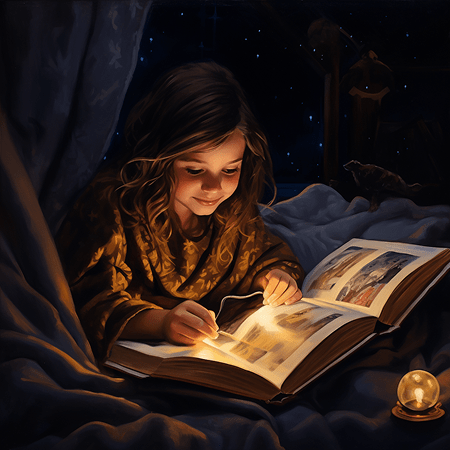
At 4, I hid under the covers with a flashlight, mesmerized by illustrated stories. That spark never left—and years later, I brought it to life creating books for my family.
A Decade in Photoshop
I spent years illustrating children's books in Photoshop, layer by careful layer — transforming photographs into picture book art for award-winning titles like I Want Cake, Little Children BIG Feelings, and Sunbelievable. The craft was slow and demanding. It taught me everything I now teach others about what makes a picture book illustration actually work.

A New Tool, Added to the Toolkit
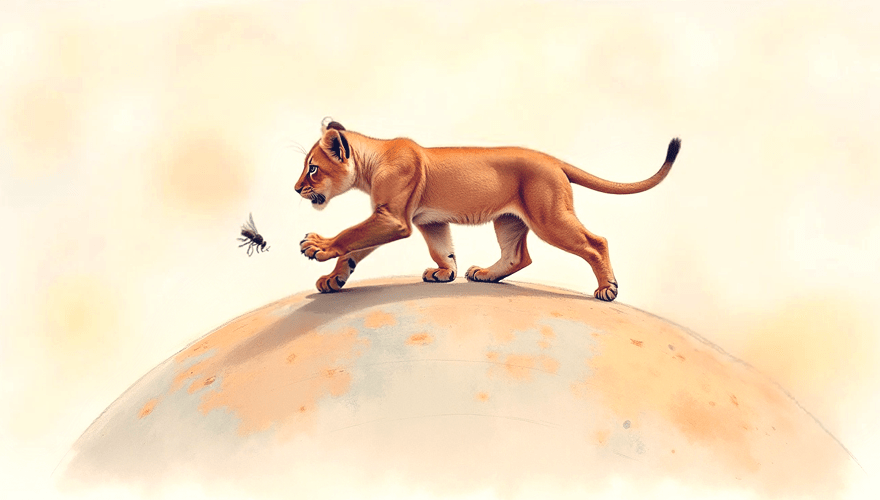
When AI image-generation arrived, I didn't replace what I knew — I added it. My first AI-illustrated children's book was honored by USA Today as "an achievement that couldn't have happened a year earlier." I still spend more time in Photoshop than in any AI platform. The combination is what makes the work.
Birth of Story Quest
Story Quest began with a simple goal: to help self-publishing children's book authors create the kind of beautiful, professional picture books that used to require a publishing house. Coaching, craft, and the right mix of tools — that's what gets a book from manuscript to finished.

Accolade-Winning Artwork. Memorable Narratives
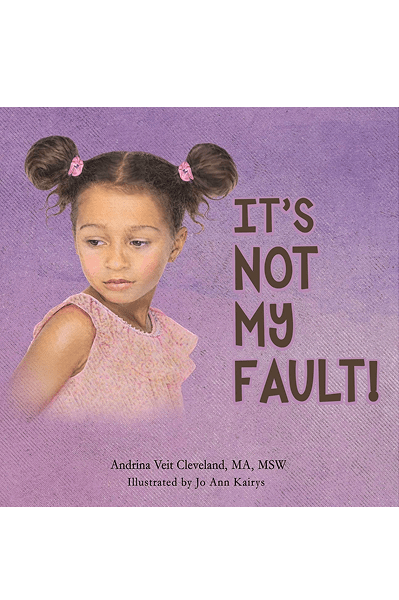
Every cover tells a story. I help authors turn moments into eye-catching visuals that capture attention and win hearts. Here's what that looks like.
-min.png)


-min.png)
From Stuck to Published—The Help I Wish I Had
I thought writing my first book was the hard part — then came illustration, layout, print prep, and launch. I built Story Quest around the kind of step-by-step support I wished I'd had, so the authors I coach skip the worst of the trial-and-error.

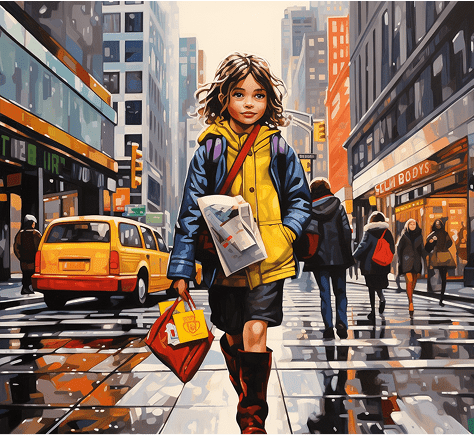
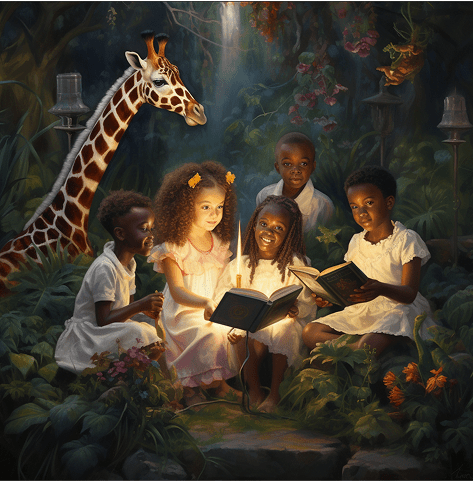
Visual Storytelling: From Prompt to Page
See how a few short, simple prompts creates vivid worlds for your story, delivering emotional impact with just a few words.
Bring Your Story to Life
Ready to turn your vision into a children's book? My self-publishing and AI illustration coaching provides all you need to publish confidently. Schedule today for a step-by-step roadmap!

Ready For Your Free Coaching Call? Or, just have a few questions? Let’s Talk
Fill out the information below, and I'll get back to you within 24 hours.